Key points for selecting gearbox for roving machine
1. The core requirements for roving production are high torque, stable transmission, and wear resistance. The weight of coarse yarn raw materials is large and the stretching load is high. Ordinary small torque reducers are often overloaded for a long time, which can easily lead to gear wear, bearing damage, and weak transmission, resulting in uneven tension and skewed forming of coarse yarn. Therefore, the primary criteria for selecting a gearbox for a roving machine are high torque and high load capacity. The rated torque should be adapted to the equipment's full load operation requirements, and sufficient overload margin should be reserved.
2. In terms of material and structure, the hard tooth surface wear-resistant gear structure is preferred. The roving machine operates continuously for 24 hours without interruption, and the gear wear rate is fast. The hard tooth surface reducer has high hardness, wear resistance, compression resistance, and fatigue resistance, which can greatly extend the service life and adapt to high load continuous working conditions. At the same time, its sealing structure has been optimized to effectively resist the invasion of cotton wool and dust in the workshop, avoiding the jamming and wear of internal parts.
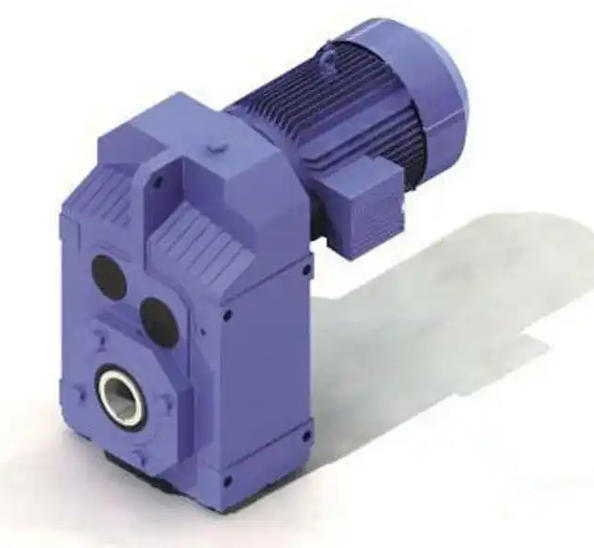
3. The matching of reduction ratio needs to be in line with the characteristics of the roving process. The stretch ratio of the roving is large, and the speed adjustment range is wide. The reducer needs to adapt to the wide width speed adjustment requirements to ensure low-speed and high torque output, making the roving stretch evenly and roll tightly. Excessive or insufficient reduction ratio can lead to an imbalance in the tension of the yarn, resulting in problems such as loose rolls, loose loops, and poor forming.
In addition, the gearbox of the roving machine needs to be regularly lubricated and maintained. Under high load operation, the loss and deterioration of lubricating oil are faster, and the oil change cycle needs to be shortened. Choosing and maintaining the right reducer for the roving machine can stabilize the quality of the roving from the source and lay a solid foundation for subsequent fine yarn production.