LLSH series three ring reducer selection parameters and procurement skills full guide
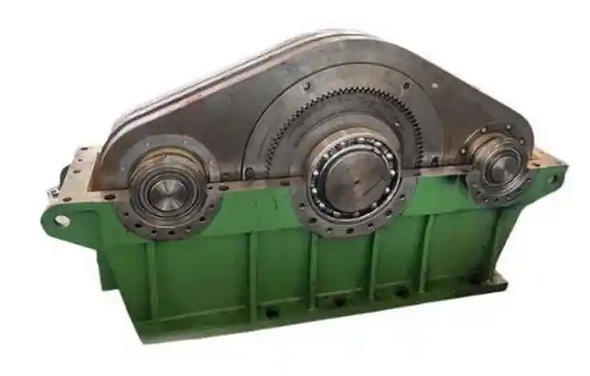
For industrial enterprises, the selection of reducers directly affects the operational efficiency, energy consumption costs, and safety factor of the production line. The LLSH series three ring reducer has a wide range of specifications and models, with significant differences in transmission ratio, output torque, installation size, and adaptation conditions among different specifications. Many procurement personnel and equipment engineers, due to their unfamiliarity with parameters, are prone to problems such as excessive selection leading to energy waste, and insufficient selection leading to overload damage.
1、 Interpretation of core parameters for selection
The core of selection is to match the working condition requirements and equipment parameters. The key parameters of the LLSH series three ring reducer are divided into three categories: performance parameters, structural parameters, and working condition parameters, which are explained one by one as follows:
1. Core Performance Parameters
Transmission ratio: divided into two types: single-stage and two-stage. The single-stage transmission ratio is 11-99, and the two-stage transmission ratio can reach up to 9801. When selecting, calculate the required output speed of the equipment according to the formula: output speed=rated motor speed ÷ transmission ratio. For equipment with precise speed requirements, priority should be given to selecting transmission ratio specifications with dense grading.
Rated output torque: This is the first core indicator for selection, measured in KN · m. The required torque should be calculated based on the maximum load of the equipment. When selecting, it is necessary to ensure that the rated torque of the reducer is greater than the actual maximum working torque of the equipment. Under heavy load and impact conditions, it is recommended to reserve a safety factor of 1.2-1.5 times to avoid long-term overload.
Input speed: The standard input speed of this series of high-speed shafts does not exceed 1500r/min and is suitable for ordinary three-phase asynchronous motors. If using a high-speed motor, it is necessary to equip it with a deceleration mechanism and it is strictly prohibited to operate at excessive speed.
2. Structure and installation parameters
Installation form: including foot installation, flange installation, shaft installation, etc., selected according to the equipment installation space and connection method. Due to limited space and coaxial connection of equipment, flange installation is preferred; Priority should be given to foot installation for large heavy equipment, as it provides stronger stability.
Appearance and center distance: Different specifications have different center distances, contour dimensions, and shaft diameters. Before selecting, it is necessary to measure the size of the on-site installation base and the fit size of the shaft sleeve to ensure that the reducer's shape, shaft extension size, and matching components are perfectly matched, avoiding the inability to install due to size discrepancies.
3. Operating condition adaptation parameters
Operation mode: distinguish between continuous operation, intermittent operation, and forward and reverse operation. The LLSH series supports bidirectional operation, but frequent forward and reverse working conditions require the use of reinforced bearing configurations.
Environmental conditions: Normal operating conditions are suitable for temperatures ranging from -40 ℃ to 45 ℃. Lubricating oil needs to be preheated before starting below 0 ℃; In high temperature, high dust, and corrosive environments, it is necessary to choose a version with strengthened sealing and high temperature resistance, and to match protective accessories simultaneously.