Four common failure modes of wire drawing machine reducers
1. Tooth surface wear and bonding
Under severe impact conditions of wire drawing load, if the lubrication of the reducer is poor (such as insufficient lubricating oil, deteriorated oil quality, or impurities), an effective oil film cannot be formed between the sliding surfaces of the gears, resulting in dry friction. This will exacerbate the friction loss of the tooth surface material and cause severe mechanical wear; In extreme cases, it can even lead to tooth surface adhesion, seriously affecting transmission accuracy.
2. Fatigue peeling (pitting) of tooth surface
The wire drawing machine is subjected to heavy loads and impacts for a long time, and gears are prone to contact fatigue when working under conditions close to or exceeding the contact stress determined by the design. Repeated contact stress can lead to fatigue cracks on the tooth surface or subsurface, resulting in flaky peeling of the tooth surface material (i.e. macroscopic corrosion or peeling), which is one of the common forms of damage in hard tooth gears.
3. Tooth breakage (broken teeth)
Frequent start stop and torque fluctuations of the wire drawing machine can generate significant bending stress and impact loads. If the strength and toughness of the gear material itself are insufficient, or if there is stress concentration in the shaft shoulder, keyway and other parts, the gear will produce fatigue cracks under long-term alternating stress. When the crack extends to the critical point, it will cause instantaneous tooth breakage, leading to sudden shutdown of the equipment.
4. Failure of bearings and seals
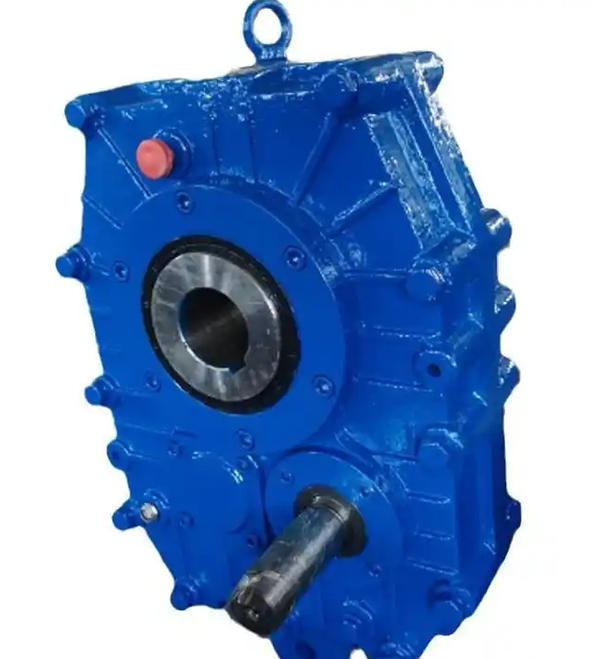
As key components for support and sealing, damage to bearings and seals can also cause the gearbox to malfunction. If there are errors in the installation coaxiality, insufficient lubrication, or overload, the bearing is prone to fatigue peeling or burning inside. Meanwhile, under high temperature, dust intrusion, or long-term operation, the sealing lip is prone to aging and wear, leading to lubricant leakage. This will not only cause further deterioration of internal lubrication, but also pollute the working environment of the wire drawing machine.
Advance prediction suggestion:
To avoid full line shutdown, it is recommended to pay close attention to early fault signals such as abnormal noise, vibration, high temperature, and oil leakage of the gearbox during daily operation. Through regular visual inspection, temperature monitoring, and vibration analysis, potential hazards such as gear wear, bearing damage, or poor lubrication can be detected early, allowing for targeted maintenance before failure occurs.