How to match the motor flange size when selecting PC front helical gear reducer
When selecting and matching the motor flange size for the PC front helical gear reducer, it is necessary to systematically verify multiple key parameters to ensure accurate and reliable connection between the two. This is not only a simple size correspondence, but also related to the operational accuracy, vibration noise, and service life of the equipment.
You can follow the following steps to match:
Step 1: Obtain key interface parameters of the motor
Firstly, you need to obtain the following four core parameters from the motor specification sheet or nameplate:
1. Motor frame number
This is the most basic matching criterion, usually corresponding to IEC standards (such as 63, 71, 80, 90, 100, etc.). The machine base number directly determines the installation size of the motor.
2. Type of flange
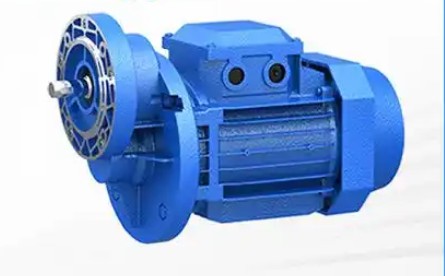
There are mainly two types that must be consistent with the input flange type of the gearbox:
FF type (through-hole type): The flange has through bolt holes, and the bolts are inserted from the motor side and screwed into the threaded holes of the reducer.
FT type (threaded hole type): The flange comes with internal threaded holes, and bolts are threaded through the reducer side and directly screwed into the motor flange for fixation.
3. Flange PCD
The diameter of the center circle of the bolt hole on the flange. This is the key dimension to ensure that the bolt can accurately align and pass through.
4. Output shaft size
Including the shaft diameter and keyway size (width x height) of the motor output shaft. The tolerance of the input hole of the reducer (usually H7) needs to be precisely matched with the motor shaft diameter tolerance (usually h6).
Step 2: Verify the selection parameters of the gearbox
After obtaining the motor parameters, when selecting a PC reducer, the following information should be carefully checked:
Clear compatibility: The model or specification book of the reducer will clearly indicate the motor base number it is compatible with (such as "compatible with IEC 90 flange").
Check the flange size: Carefully review the outline and installation dimension diagram of the reducer, confirm that the PCD value, bolt hole quantity, and specifications (such as M10, M12) of the input flange are completely consistent with your motor.
Confirm input aperture: Ensure that the aperture tolerance of the gearbox input shaft matches the shaft diameter tolerance of the motor output shaft, forming the correct interference or transition fit to avoid sliding or wear during transmission.
Step 3: Beware of common matching errors
Incorrect matching can lead to serious problems, so it is important to avoid:
1. Mismatch of flange PCD: bolts cannot penetrate, forced installation can cause flange warping, damage concentricity, cause high-frequency vibration of equipment, and significantly shorten bearing life.
2. Mixing flange types: Pairing FF type motors with FT type reducers (or vice versa) will result in the inability to make mechanical connections at all.
3. Loose fit between shaft and hole: The clearance between the motor shaft and the input hole of the reducer is too large, which can cause the keyway to wear or even cut off due to shear force during transmission, making it impossible to transmit torque.