What are the common causes of blocked heat sinks in ZQD850 soft tooth reducer
1. Dust and debris accumulation in the production environment
This is the most common cause of blockage. If the gearbox is located in a production workshop with high dust and fiber debris, these small particles will adhere to the surface and gaps of the heat sink for a long time. Over time, dust accumulates thicker and eventually forms a thermal insulation layer, seriously hindering heat dissipation efficiency.
2. Oil stains and dust mix to form stubborn dirt
During the operation of the gearbox, if there is oil pollution on the surface or around the machine body, the dust will mix with the oil pollution after it adheres. This oil ash mixture is prone to form stubborn dirt that is difficult to clean, which not only blocks the heat dissipation channel, but also accumulates over time and may corrode the surface structure of the heat sink, resulting in a permanent decrease in heat dissipation performance.
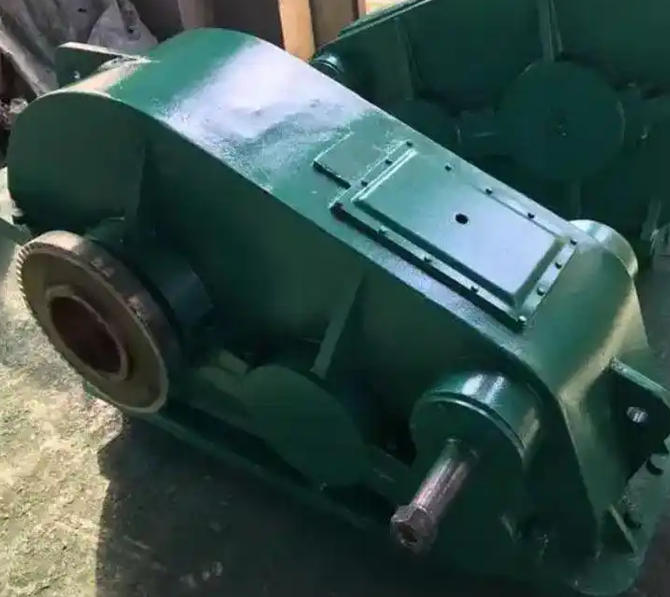
3. Improper installation position leads to poor ventilation
If the gearbox is installed in a closed space or tightly against walls and other obstacles during installation, it will cause poor air circulation around it. In this environment lacking natural ventilation, heat cannot be dissipated in a timely manner, which can accelerate the deposition of dust and debris on the heat sink.
4. The cooling device lacks regular cleaning
For gearboxes with cooling devices, if they are left in dusty factories for a long time without regular cleaning, the internal pipelines or heat dissipation fins of the cooling device are easily blocked by dust, resulting in incomplete heat dissipation and increased oil temperature.
5. Lack of dust removal mechanism in daily operation and maintenance
Many companies tend to focus on lubricant replacement and component maintenance during equipment maintenance, thus ignoring the hidden danger of heat sink dust accumulation. Due to the fact that initial dust accumulation does not cause significant equipment failures, it is easily overlooked by maintenance personnel and ultimately leads to the complete blockage of the heat dissipation channel.