Analysis of the causes of noise generated by gear reducers
Before solving the problem, we need to first figure out where the noise comes from. The main reasons for the noise generated by gear reducers are as follows.
gear wear
Gears will inevitably experience wear and tear during prolonged operation. After wear and tear, the gear teeth are no longer smooth, and vibration and noise will occur when they mesh with each other. according to
Poor lubrication
Good lubrication is crucial for the normal operation of gear reducers. If the lubricating oil is insufficient or of poor quality, the friction between gears will increase, resulting in noise. A survey shows that about 25% of gear reducer noise problems are caused by poor lubrication.
Improper installation
If there are deviations during the installation process, such as insufficient parallelism or excessive concentricity error of the gear shaft, it will cause uneven force on the gear during operation, resulting in noise.
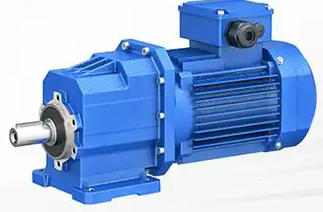
Methods to solve noise problems
Regularly inspect and replace gears
To avoid excessive gear wear, we need to regularly inspect the gears. Once severe gear wear is detected, it should be replaced promptly. Generally speaking, for gear reducers with high work intensity, it is recommended to conduct a comprehensive inspection every six months. This can effectively reduce the noise caused by gear wear and prolong the service life of the equipment.
Ensure good lubrication
Choose the appropriate lubricating oil and add it according to the specified time and oil amount. At the same time, it is necessary to regularly check the quality of lubricating oil and replace it promptly if any deterioration is found. For example, for some high-speed gear reducers, it is recommended to use high-performance synthetic lubricants. This can reduce friction between gears and lower noise.
Correct installation and debugging
When installing the gear reducer, be sure to strictly follow the installation instructions. After installation, careful debugging should be carried out to ensure that the parallelism and concentricity of the gear shaft meet the requirements. If necessary, professional installers can be hired for installation and debugging, which can greatly reduce the noise caused by improper installation.