How to Reduce Speed: The Influence of Environmental Temperature on the Output Torque of S47 Reducer
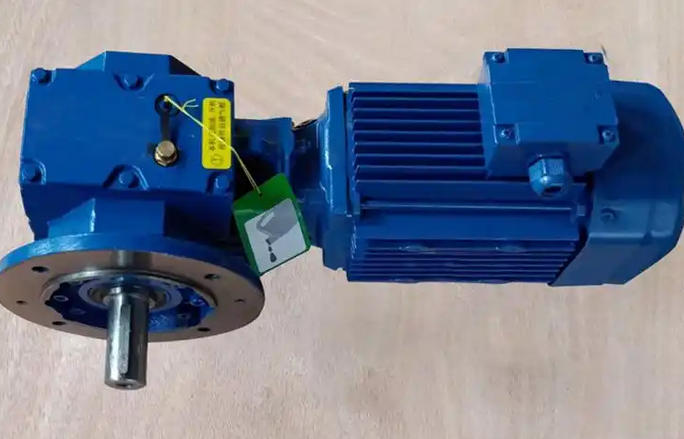
The ambient temperature (especially low temperature) has a significant impact on the output torque of the S47 gearbox (belonging to the KS47 series helical gear gearbox). Under low temperature conditions, the viscosity of lubricating oil will sharply increase, leading to increased internal mechanical friction and transmission losses, thereby causing a decrease in output torque.
To reduce the negative impact of environmental temperature and ensure the stability of the output torque of the gearbox, comprehensive measures can be taken in the following dimensions:
1. Optimize the lubrication system (core measures)
Replace low-temperature specialized lubricating oil: Choose synthetic gear oil with good fluidity and low viscosity in low-temperature environments. High quality low-temperature lubricating oil can significantly reduce internal resistance and torque loss caused by oil solidification or excessive viscosity.
Preheating before starting: Before starting the equipment in extremely cold environments, if conditions permit, preheat the lubricating oil to above 0 ℃, or let the gearbox run at low speed for a period of time in an unloaded state, and then load and run it again after the oil temperature rises and fluidity is restored.
2. Add active heating and insulation devices
Install heating equipment: Equip the gearbox with electric heating belts, heating plates, or oil bath heaters. Real time monitoring is achieved through temperature sensors, which automatically start when the ambient temperature is below the set value, maintaining the internal temperature of the gearbox within a suitable working temperature range (usually 40 ℃~60 ℃).
Improve installation environment: Try to install the gearbox indoors or in a space with insulation measures, avoiding direct exposure to extremely cold outdoor environments.
3. Adjust the selection and safety margin
Reserved torque safety factor: When selecting under low temperature conditions, it is not possible to calculate only the rated torque at room temperature. Suggest introducing a low-temperature torque attenuation coefficient and appropriately enlarging the selection specifications of the gearbox. For example, in an environment of -30 ℃, the torque may decrease by about 17.5%. When selecting, it is recommended to increase the theoretical rated torque by more than 20% to offset the performance degradation caused by low temperature.
4. Strengthen sealing and daily maintenance
Upgrading seals: Low temperatures can cause ordinary rubber seals to harden and lose elasticity, leading to oil leakage or impurities entering, exacerbating wear and torque loss. Suggest replacing the oil seal with a low-temperature resistant material.
Regular oil monitoring: Regularly check the oil level and condition to ensure that the oil level is sufficient and not contaminated. Good lubrication is the foundation for maintaining transmission efficiency.