Complete Analysis of High Temperature Faults in Gearboxes: Identification Guidelines for Overload, Oil Shortage, and Gear Damage
Abnormal overheating of the gearbox is a common warning signal for equipment failure, and overloading, oil shortage, and gear damage can all cause temperature rise. To accurately distinguish these three, a comprehensive investigation can be carried out through steps such as "listening to sound, checking oil level, and checking load":
1. Distinguish between "oil shortage" and "overload"
Check the oil level and quality: If the oil level of the gearbox is below the lower limit, or if the lubricating oil deteriorates (such as turning black, cloudy, or having a burnt smell), it is highly likely that insufficient lubrication is causing friction and heat generation.
Check the load situation: If the oil level is normal and the oil quality is good, but the equipment frequently starts and stops, bears instantaneous peak loads, or the actual load exceeds the rated torque, it belongs to overheating caused by overload operation.
2. Distinguish between "gear damage"
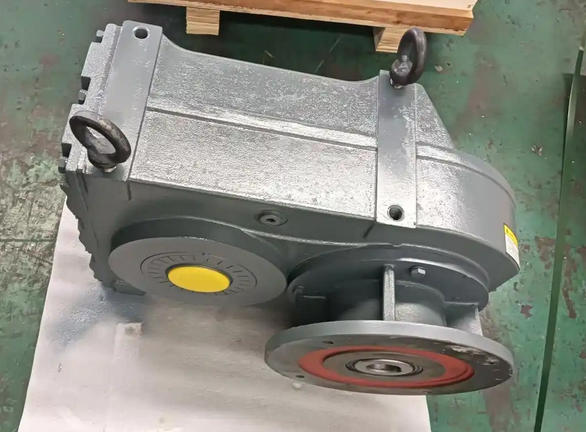
Listen to the running sound: Gear damage (such as broken teeth, severe wear, and tooth surface pitting) is usually accompanied by obvious abnormal noise, such as dull impact sounds, periodic "clanging" impact sounds, or sharp whistling.
Feeling vibration: Gear damage often causes a significant increase in gearbox vibration, even accompanied by abnormal impact sensation.
3. Other hidden reasons that may cause overheating
In addition to the above three situations, the following factors can also cause abnormal overheating of the gearbox, which should not be ignored during troubleshooting:
Excessive lubricating oil: If the oil level exceeds the standard upper limit, it will increase the power loss of gear oil stirring, leading to a continuous increase in oil temperature.
Poor heat dissipation: The surface of the gearbox is covered with dust and debris, the ventilation openings are blocked, or the ambient temperature is too high, all of which can cause heat to be unable to dissipate.
Bearing issues: Tight assembly of bearings, improper clearance, wear and damage, or dry lubricating grease can all produce local high temperatures and noise.
Assembly and alignment deviation: Excessive coaxiality error of input/output shafts or improper assembly of internal components can generate abnormal frictional resistance, leading to temperature rise.
Safety reminder: During the troubleshooting process, if the temperature of the gearbox housing is extremely high (usually exceeding 80 ℃), please avoid touching it directly with your hands to prevent burns. It is recommended to use an infrared thermometer for non-contact detection.