
Four Sea Ltd
sales@reducersgearboxes.com
sales@reducersgearboxes.com

Fault diagnosis and troubleshooting for the internal gear transmission system of CJY series reducers are implemented in a targeted manner according to specific fault types. Combined with common on-site operating issues, the typical fault causes and standardized solutions are summarized as follows:
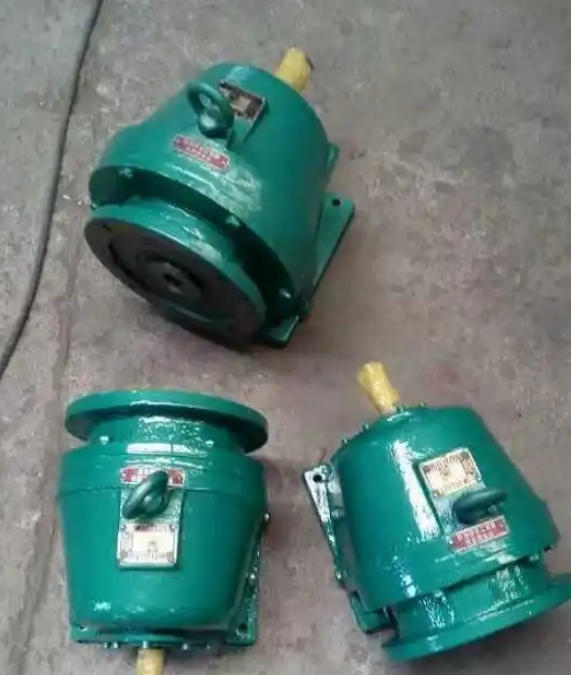
Fault Causes: Fatigue cracks initiate and propagate at gear tooth roots under cyclic alternating loads, eventually resulting in gear fracture. Moreover, short-term overload or sudden impact loads can also cause direct tooth fracture and abrasive wear. Solutions:
Fault Causes: Low contact fatigue strength of tooth surfaces is the core cause. During continuous meshing, lubricant invades micro cracks and expands under cyclic pressure, leading to surface metal peeling and pitting defects. Solutions:
Fault Causes: Common triggers include foreign matter jamming in meshing areas, bearing damage, excessive coaxiality error, loose connecting bolts, and contaminated lubricating oil. Solutions:
Fault Causes: Abnormal temperature rise is mainly induced by overload operation, bearing wear, frequent start-stop operation, voltage instability and poor lubrication. Solutions:
Fault Causes: Oil leakage that impairs internal transmission performance results from damaged seals, deformed reducer housing, and oil thinning caused by excessive operating temperature. Solutions:
Name: Hu Bo
phone:+8618881888393
Whatsapp:+8618881888393
Email:sales@reducersgearboxes.com
Add:No. 10 Xiyuan Road, Hangzhou City, Zhejiang Province, China