Which operating conditions are most likely to cause damage to B3SH gearbox
As an enhanced heavy-duty industrial gearbox, B3SH gearbox has been strengthened in structural design and load-bearing capacity, but it is still prone to damage under certain extreme or improper working conditions. Based on its structural characteristics and industry practice, the following working conditions are most likely to cause damage to the B3SH gearbox:
1. Extreme impact and continuous heavy load conditions
B3SH gearbox is prone to the risk of insufficient heat dissipation and oil film rupture when dealing with continuous high-intensity impact loads. If subjected to such working conditions for a long time, the oil temperature may rise above 85 ℃, leading to a decrease in the viscosity of the lubricating oil. This will cause adhesive bonding (direct metal contact) on the tooth surface of spiral bevel gears, with a much higher incidence rate than other series; Meanwhile, under impact vibration, the sealing surface stress of the box joint surface is prone to exceed the allowable value, resulting in a high annual leakage rate.
2. Lubrication system failure and oil contamination
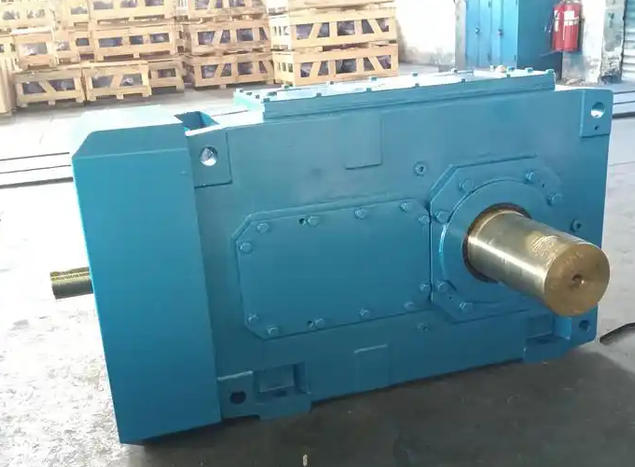
Poor lubrication is the core factor causing damage to the gearbox. Under frequent start stop or load fluctuation conditions, using ordinary splash lubrication can easily lead to insufficient oil supply during low-speed or inclined installation, resulting in dry friction between gears and bearings during heavy load start-up. In addition, if lubricating oil is mixed with metal abrasive particles, dust, or moisture, it can cause gear micro pitting, frictional wear, and even premature failure of bearings due to fatigue peeling.
3. Long term overloading and external mechanical stress
When the gearbox is subjected to loads beyond the design range, the contact stress of the gears increases sharply, which can easily lead to fatigue pitting, bonding, or plastic deformation of the tooth surface. Meanwhile, excessive axial or radial loads can be directly transmitted to the bearings, causing bearing damage (accounting for over 50% of gearbox failures). In the case of uphill driving or poor track conditions (such as rail wear and uneven joints), additional lateral forces and impact loads can intensify the stress on internal components, and even cause slight deformation of the box, affecting the alignment accuracy of gears and bearings.
4. Sealing failure and high temperature environment
Poor dust environment or improper selection/installation of seals can cause abrasive materials such as dirt and sand to invade and corrode the sealing lip, resulting in oil leakage. Oil leakage further leads to insufficient lubrication, forming a vicious cycle. In addition, if the equipment operates in a high-temperature environment for a long time or frequently starts and stops at high temperatures, it will not only accelerate the oxidation deterioration of the lubricating oil (acid value exceeding the standard), but also cause the rubber seals to deform, age and fail due to overheating.
5. Installation and assembly errors
The installation method and centering accuracy of the gearbox have a significant impact on its lifespan. If the correct direction of the output shaft is not ensured during installation, the tightening torque is not up to standard, or the pre tightening force of the gears and bearings is not adjusted properly during maintenance and assembly, and the axis is offset, it will lead to poor gear meshing, increased transmission impact, and accelerated wear and fracture of components.As an enhanced heavy-duty industrial gearbox, B3SH gearbox has been strengthened in structural design and load-bearing capacity, but it is still prone to damage under certain extreme or improper working conditions. Based on its structural characteristics and industry practice, the following working conditions are most likely to cause damage to the B3SH gearbox:
1. Extreme impact and continuous heavy load conditions
B3SH gearbox is prone to the risk of insufficient heat dissipation and oil film rupture when dealing with continuous high-intensity impact loads. If subjected to such working conditions for a long time, the oil temperature may rise above 85 ℃, leading to a decrease in the viscosity of the lubricating oil. This will cause adhesive bonding (direct metal contact) on the tooth surface of spiral bevel gears, with a much higher incidence rate than other series; Meanwhile, under impact vibration, the sealing surface stress of the box joint surface is prone to exceed the allowable value, resulting in a high annual leakage rate.
2. Lubrication system failure and oil contamination
Poor lubrication is the core factor causing damage to the gearbox. Under frequent start stop or load fluctuation conditions, using ordinary splash lubrication can easily lead to insufficient oil supply during low-speed or inclined installation, resulting in dry friction between gears and bearings during heavy load start-up. In addition, if lubricating oil is mixed with metal abrasive particles, dust, or moisture, it can cause gear micro pitting, frictional wear, and even premature failure of bearings due to fatigue peeling.
3. Long term overloading and external mechanical stress
When the gearbox is subjected to loads beyond the design range, the contact stress of the gears increases sharply, which can easily lead to fatigue pitting, bonding, or plastic deformation of the tooth surface. Meanwhile, excessive axial or radial loads can be directly transmitted to the bearings, causing bearing damage (accounting for over 50% of gearbox failures). In the case of uphill driving or poor track conditions (such as rail wear and uneven joints), additional lateral forces and impact loads can intensify the stress on internal components, and even cause slight deformation of the box, affecting the alignment accuracy of gears and bearings.
4. Sealing failure and high temperature environment
Poor dust environment or improper selection/installation of seals can cause abrasive materials such as dirt and sand to invade and corrode the sealing lip, resulting in oil leakage. Oil leakage further leads to insufficient lubrication, forming a vicious cycle. In addition, if the equipment operates in a high-temperature environment for a long time or frequently starts and stops at high temperatures, it will not only accelerate the oxidation deterioration of the lubricating oil (acid value exceeding the standard), but also cause the rubber seals to deform, age and fail due to overheating.
5. Installation and assembly errors
The installation method and centering accuracy of the gearbox have a significant impact on its lifespan. If the correct direction of the output shaft is not ensured during installation, the tightening torque is not up to standard, or the pre tightening force of the gears and bearings is not adjusted properly during maintenance and assembly, and the axis is offset, it will lead to poor gear meshing, increased transmission impact, and accelerated wear and fracture of components.