Five core parameters for selecting crane reducers, novice buyers should avoid pitfalls
1. Rated output torque: This is the core parameter that directly determines the upper limit of lifting capacity. When selecting, a margin of 1.2-1.5 times should be reserved to cope with start stop impact and overload conditions, and to avoid gear slippage, wear and fracture caused by insufficient torque.
2. Transmission ratio: determines the matching degree between speed and torque. The larger the transmission ratio, the lower the speed and the greater the torque. It is necessary to match the speed requirements of the lifting, operation, and amplitude mechanism of the crane according to the transmission ratio deviation, which can cause equipment operation to stall and efficiency to decrease.
3. Installation methods: The mainstream are divided into three support points, base type, and flange type, corresponding to different crane structures. Inconsistent installation methods can lead to uneven stress, deformation of the casing, abnormal noise during operation, and in severe cases, safety accidents.
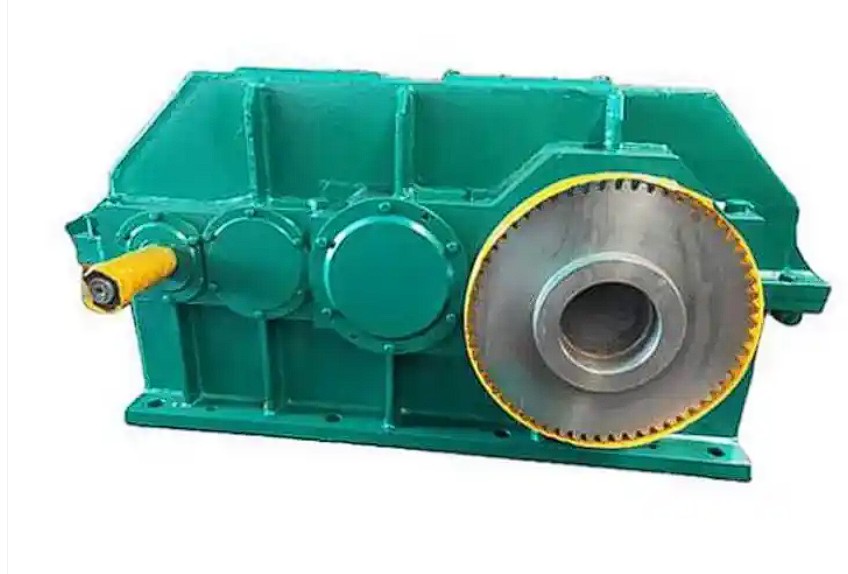
4. Working condition coefficient: For intermittent operations, frequent start stop, outdoor dust, and humid working conditions, corresponding working condition coefficients need to be matched. High coefficient heavy-duty reducers must be selected for harsh working conditions, and ordinary models are prohibited from being used as substitutes.
5. Protection level and sealing performance: Construction sites, ports, and mines have high levels of dust and heavy rainfall, requiring the use of high protection level, double-layer sealed reducers to prevent dust from entering water and oil leakage, and extend equipment service life.