Winter low-temperature sand washing machine reducer anti freezing maintenance
1. Replace the lubricating oil suitable for low temperature
The viscosity of lubricating oil will significantly increase at low temperatures. Before the arrival of winter, it is necessary to ensure that the reducer uses specialized lubricating grease suitable for low-temperature environments to maintain good fluidity and lubrication effect even in severe cold.
2. Preheat and warm up before starting
Before starting the equipment, the reducer can be preheated to ensure that the lubricating oil and bearings reach the appropriate working temperature and reduce the starting resistance. If conditions permit, external heating devices (such as heating blowers) can be used to provide additional heating to the transmission device; Alternatively, after starting, let the sand washing machine run idle for at least 30 minutes to warm up the machine, and then put it into production after the equipment runs smoothly.
3. Take external insulation and antifreeze measures
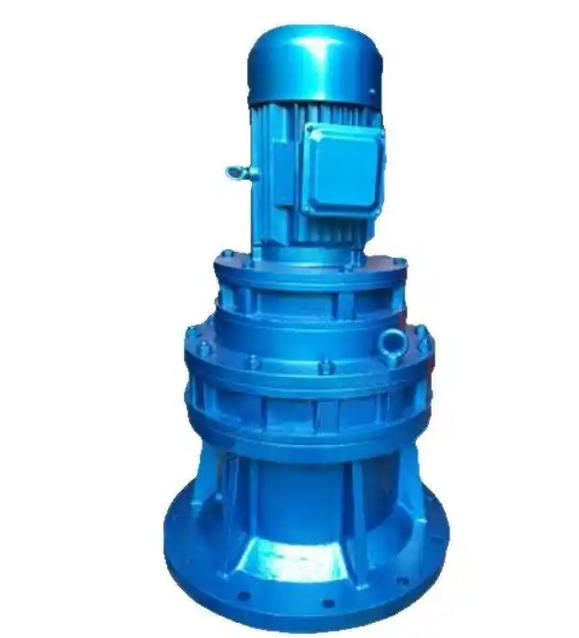
For gearboxes exposed to outdoor or low-temperature environments, physical insulation measures should be taken. Insulation materials (such as insulation covers) can be used to wrap the gearbox, or heating belts can be installed to prevent the shell and internal lubricating oil from being directly frozen.
4. Check and replace seals
Low temperature can easily cause the sealing components of the gearbox to harden and crack, thereby allowing cold air and moisture to enter the interior, causing lubrication failure or freezing. Therefore, it is necessary to regularly check the sealing condition of the gearbox, and replace any aging or damaged seals in a timely manner.
5. Standardize daily inspections and maintenance
After completing daily work, the surface of the sand washing machine and the accumulated water and ice on site should be cleaned up in a timely manner to keep the work site clean and prevent the equipment from freezing and affecting use the next day. In addition, it is recommended to conduct a comprehensive inspection of the gearbox every two months of operation. If the lubricating oil is found to be solidified, deteriorated, or contain impurities, it should be cleaned and replaced immediately.
6. Strictly prohibit illegal operations
When encountering emergency situations such as oil solidification or equipment jamming, do not use open flames (such as braziers or lighters) to directly bake the gearbox or fuel tank. This behavior is highly likely to cause fires or damage equipment components, posing significant safety hazards.