How to determine if the seal is normal during the trial operation of JZQ gear reducer
1. Visually inspect the leakage situation
This is the most direct method of judgment. During and after the trial operation, it is necessary to carefully observe the various sealing parts of the gearbox:
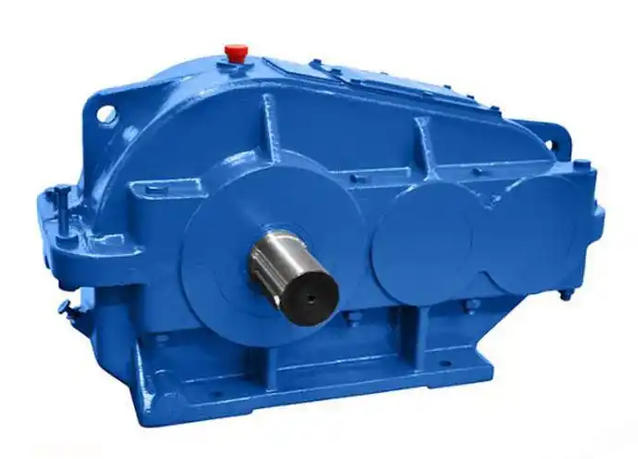
(1) Joint surface and end cover: Check all static sealing joints such as the box partition surface, end cover, and observation window to confirm whether there are oil stains, oil droplets, or oil leakage.
(2) Shaft extension seal: Check for lubricating oil leakage at the rotating oil seals of the input and output shafts.
Special attention: During the initial running in stage (usually within 24 hours), it is normal for a thin oil film or slight moisture to appear at the shaft seal, indicating that the oil seal and shaft neck are running in. But if there are obvious oil droplets, oil flow, or continuous leakage after the running in period, it indicates that there is a problem with the seal.
2. Check the status of fasteners and seals
The reliability of sealing is closely related to installation and component status:
(1) Fasteners: Check if all connecting bolts and end cap screws have been tightened to the specified torque and if they are loose. Loose bolts are a common cause of oil leakage at the joint surface.
If conditions permit, the seals (such as O-rings, oil seals) can be checked for aging, cracking, deformation, or incorrect installation direction.
3. Refer to the technical standards for exam operation
In standardized trial runs (such as no-load or load tests), there are clear acceptance criteria for sealing performance:
(1) During the entire trial operation process, there should be no leakage or oil leakage at all sealing points and joint surfaces of the reducer.
(2) Some strict factory inspections may use air pressure tests (such as filling with 0.15MPa pressure holding) or oil leakage tests (oil injection and standing for 24 hours) to quantitatively verify the sealing performance, ensuring no pressure drop or leakage.
In summary, the core criterion for determining whether the sealing of JZQ reducer is normal is that during trial operation and subsequent operation, there is no visible lubricating oil leakage or seepage at all sealing joint surfaces and shaft seals. Once abnormal leakage is detected, the machine should be stopped immediately for inspection, and the cause (such as damaged oil seals, loose bolts, high oil levels, etc.) should be identified and dealt with to prevent gear or bearing damage due to lack of oil.