What are the differences in maintenance methods between soft tooth surface reducers and hard tooth surface reducers
Soft tooth surface reducers and hard tooth surface reducers have significant differences in maintenance focus due to differences in gear material, hardness, and load-bearing capacity. Soft tooth surface reducers are more inclined towards basic daily protection, while hard tooth surface reducers have extremely high technical requirements for lubrication and assembly accuracy.
The following are the specific differences in maintenance methods between the two:
1、 Soft tooth surface reducer: focusing on basic protection and overload prevention
The gear hardness of soft tooth surface reducers is relatively low (usually ≤ 350HBS), and their load-bearing capacity is relatively weak. Therefore, the core of maintenance lies in "protection" and "rust prevention".
1. Strictly prevent overload operation: The gears of the soft tooth surface reducer are prone to plastic deformation or breakage. In daily use, it is necessary to closely monitor the load situation of the equipment, strictly ensure that it operates within the rated load range, and absolutely prohibit overloading.
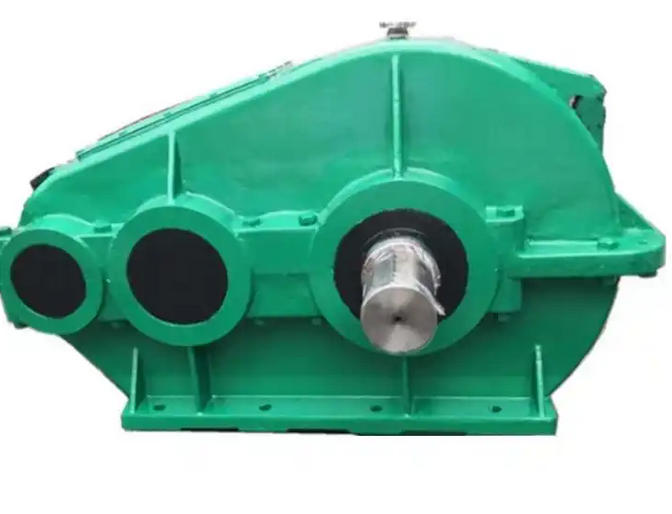
2. Pay attention to anti rust treatment: Due to the relatively easy rusting of gear materials (such as cast iron, etc.), especially in humid environments, it is necessary to maintain a dry working environment. If rust is found on the surface of the body, it should be promptly removed and rust proof paint or oil should be applied.
3. Routine lubrication inspection: In addition to regularly checking the oil level and changing the lubricating oil, special attention should be paid to observing the lubrication condition of the tooth surface. Soft tooth surfaces are relatively soft and highly dependent on lubrication. If dry or oil deficient tooth surfaces are found, the lubrication system should be checked immediately.
2、 Hard tooth surface reducer: focusing on precision lubrication and condition monitoring
Hard tooth surface reducers have high gear hardness (usually>350HBS, HRC58-62), which can withstand high loads and strong impacts, but the structure is precise, and the core of maintenance lies in "precision" and "foresight".
1. Extremely high requirements for lubricating oil:
Oil selection: Hard gear reducers usually require lubricating oil with higher viscosity and better extreme pressure resistance (such as N220-320), while soft gear reducers often use N100-150.
Oil change cycle: Maintenance requirements are more stringent. It is recommended to replace the lubricating oil after about 50 hours of initial operation of the new equipment to remove the micro particles generated during the running in period; Subsequently, it is usually replaced every 2000-3000 hours of operation or about a year, and the oil quality (such as metal abrasives and moisture content) needs to be regularly checked.
2. Precise state monitoring:
Vibration and noise: The hard tooth surface reducer has very little vibration and noise during normal operation. Once high-frequency whistling (possibly due to tooth contact accuracy issues) or low-frequency roaring (possibly due to bearing clearance issues) is detected, the machine must be stopped immediately for troubleshooting.
Temperature monitoring: It is necessary to strictly monitor the temperature of the bearings and the housing. During continuous operation, the bearing temperature is usually required to be ≤ 75 ℃.