Does the feed mixer produce abnormal noise as soon as it starts? 90% of the fault roots lie in these three concealed positions of the gearbox
1. Concealed Position 1: High-speed end input bearing (motor connection side)
1. Phenomenon: The abnormal noise is most pronounced at startup, slightly reducing after operation. The reducer input housing is noticeably hot to the touch, with louder noises under no-load conditions and even more pronounced sounds during material mixing.
2. Cause of Failure:
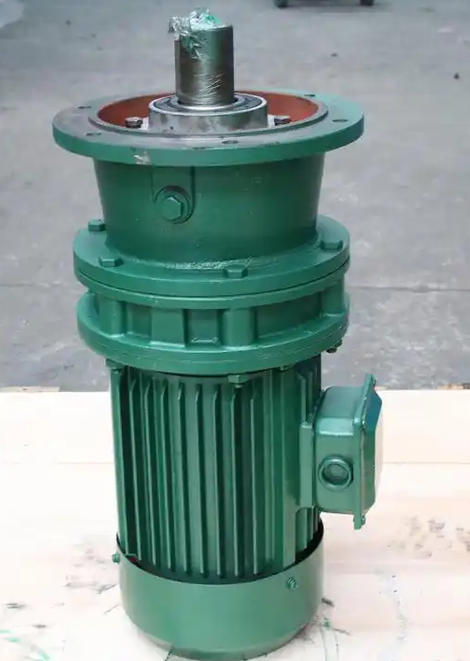
(1) Pitting on the bearing raceway and wear of the rolling elements; misalignment during coupling installation causes repeated impact damage to the high-speed bearing, which is invisible externally and can only be detected by disassembling the end cover.
(2) Insufficient grease/gear oil, causing dry friction during high-speed startup and emitting sharp buzzing or rattling noises.
3. Simple Judgment: Disconnect the coupling and operate the motor separately. If the motor produces no abnormal noise, the input bearing of the reducer is essentially ruled out as faulty.
4. Hazards: If not addressed promptly, the fractured bearing may damage the gears, directly rendering the gear pair of the reducer unusable.
2. Concealed Position 2: Gear Meshing Surface of the Low-Speed Output End (Inner Side of the Output Flange)
1. Hidden Position 2 Phenomenon: Upon startup, there is an intermittent "clicking" impact sound, which becomes more pronounced at lower speeds. The abnormal noise repeats with each rotation of the mixer blade, with no noticeable overheating.
2. Hidden Location 2 Failure Cause:
(1) Gear tooth pitting, localized tooth breakage, and excessive meshing clearance; frequent forward and reverse rotation of the feed mixer, heavy-load impacts, with tooth surface damage concealed inside the housing, completely invisible from the exterior.
(2) Prolonged overload stirring causes increased gear backlash, leading to gear reciprocating movement and impact during startup.
3. Simple Judgment for Concealed Location 2: Manually turn the gear reducer output shaft and feel significant play, clearance, or binding.
4. Hidden Position 2 Hazard: Continued use may result in tooth breakage, causing the mixer to jam and stop.
3. Concealed Position 3: Internal Planet / Cycloidal Wheel Eccentric Bearing (Specialized for Cycloidal and Planetary Gearboxes, High-Frequency Fault Point in Feed Machines)
1. Hidden Position 3 Phenomenon: The machine starts with "gurgling, clicking" abnormal noises, which persist even under no-load conditions. The noise intensifies under load, accompanied by significant vibration, commonly seen in cycloidal gear feed reducer models.
2. Concealed Position 3 Fault Cause:
(1) Eccentric bearing wear is the most concealed and prone-to-damage component in cycloidal reducers, invisible without disassembling the housing. Startup impact causes bearing clearance to expand, leading to interference and collision during cycloidal gear operation.
The needle gear sleeve is worn and loose, with internal wear debris from the needle gear housing remaining in the box, causing metallic noise upon startup.
3. Simple Judgment for Concealed Position 3: When rotating the output shaft, irregular shaking occurs, and the vibration of the reducer housing is significantly greater than normal.
4. Hidden Position 3 Hazards: Eccentric bearing seizure, directly locking the mixer's main shaft and burning the motor.