Does the reducer of the feed mixer frequently trip due to overload? Don't just replace the motor
1. Power supply lines and voltage anomalies (high incidence factors)
Feed machines are typical high load electrical equipment that require extremely high voltage stability. If the power supply line of the feed machine is mixed with household lighting, sockets, and other lines, or if the wire diameter is too thin (such as using only 2.5mm ² copper wire), it is easy to cause a voltage drop when starting up with load, thereby triggering trip protection. In addition, power phase loss, three-phase voltage imbalance, or loose and oxidized line connections can instantly increase the motor current, leading to overload tripping.
2. Mechanical transmission components are stuck and have excessive resistance
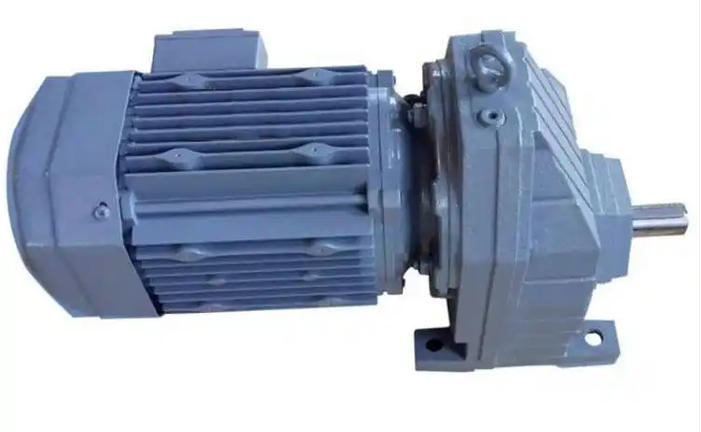
If the manual rotation of the motor shaft feels stuck or tightened after power failure, it indicates that there is a problem of mechanical jamming or excessive resistance. Common situations include: damage to the internal bearings of the reducer, gear wear, or foreign objects entering, resulting in mesh jamming; Poor alignment of the coupling or jamming of the elastic block; And the wide gap between the mixing arm and the silo wall, as well as the clumped feed adhered to the blades, will significantly increase the operating resistance and consume additional power.
3. Actual material load exceeds the rated capacity of the equipment
This is the number one reason for real overload. If too much corn or other feed is added at a time, exceeding the rated capacity of the mixer design, or if hard objects such as stones and steel bars are mixed into the material, it will cause a sudden increase in mixing resistance and trigger "input overload". In addition, for high viscosity materials, improper feeding sequence or failure to dilute with water beforehand can also result in excessive load during startup.
4. Improper setting of overload protection parameters or aging of components
Many times, tripping is not due to actual equipment overload, but rather a 'false overload'. For example, if the setting current of a thermal relay is set too small, or if the selection of a circuit breaker is too small or aging fails, it will trip incorrectly when the current fluctuates normally. For models driven by frequency converters, if the acceleration time is set too short, the overload threshold is too low, or the torque limit is too small, the surge current during startup will directly trigger overload protection.
5. Improper startup method and non-standard operation
The resistance of feed in a stationary state (such as sludge or feed that forms after a long period of shutdown) is extremely high. If it is directly started at full power frequency voltage, the instantaneous surge current can easily cause overload tripping. In addition, frequent start stop, repeated forward and reverse rotation, or frequent forced start in case of locked rotor can lead to the accumulation of surge current, accelerate the triggering of protective devices, and even burn out equipment.