What are the key considerations when using gear reducers made of metal materials
1、 Lubrication management
First oil change: After running the new equipment for 200-300 hours, complete the first oil change and synchronously clean the internal cavity.
Regular oil change: The equipment operates continuously and changes oil every 5000 hours or every year. If the daily working hours are less than 8 hours, the oil can be changed every six months.
Oil control: It is strictly prohibited to mix different grades of lubricating oil, and the oil level should be controlled within the range of 1/2 to 3/4 of the oil window.
Oil quality inspection: If the oil is found to be turbid or mixed with impurities, replace it with new oil immediately.
2、 Running status monitoring
Temperature control: When the oil temperature exceeds 80 ℃ or the oil pool temperature exceeds 100 ℃, immediately stop the machine to troubleshoot.
Abnormal monitoring: In case of abnormal noise, vibration or impact, immediately stop the machine and inspect internal components.
Load control: Strictly operate within rated parameters to avoid overload, overspeed, and frequent start stop.
3、 Standardized operation and installation maintenance
Installation alignment: The coaxiality between the input and output shafts and the axis of the connecting components must not exceed the allowable error of the coupling.
Tightening inspection: Daily inspection of all connecting bolts to prevent loosening and displacement due to vibration.
Operation taboos: When installing components such as couplings, it is forbidden to directly hammer the output shaft to avoid damage to the shaft body.
Empty load test: Complete at least 2 hours of empty load operation before formal loading to confirm no jamming or oil leakage.
4、 Environmental and Material Protection
Environmental adaptation: Keep the installation site ventilated and clean, and protect the shell in a damp and dusty environment to avoid debris blocking the heat dissipation holes.
Material property adaptation: Pay attention to the ratio of metal elements in gears to avoid problems such as brittle fracture and hardness reduction caused by overload impact.
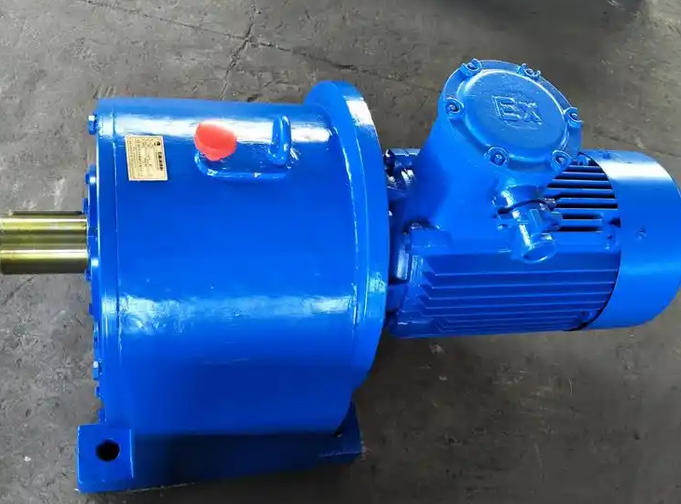
Idle maintenance: Equipment that has been out of use for a long time must be replaced with new oil before being put back into use. The storage environment should be dry and free of acid and alkali corrosion.
5、 Institutionalized operation and maintenance
Establish a complete registration ledger for daily operation, fault handling, and maintenance, forming traceable operation and maintenance records.
Regularly detect metal particles caused by wear of gear metal elements, and predict early faults such as tooth surface pitting and bonding in advance.