Emergency handling method for shutdown of sizing machine reducer due to malfunction, reducing production losses
Step 1: Immediately shut down the machine and cut off the power to identify safety hazards. If the gearbox is found to be abnormal, stop the machine and cut off the power supply as soon as possible. It is strictly prohibited to forcefully start the machine with a fault. To prevent the expansion of faults, prevent gear cracking and component detachment from causing equipment damage and safety accidents.
Step 2: Quickly identify the type of fault and distinguish the level of urgency. Simple self inspection: observe whether there is oil leakage and whether the body is at high temperature; Idle jog the equipment to identify the type of abnormal noise and whether it is stuck. Minor faults (minor oil leakage, minor abnormal noise) can be quickly handled on site; Serious malfunctions (such as jamming, loud noises, and overheating) are prohibited from turning on the machine. Please wait for professional repairs.
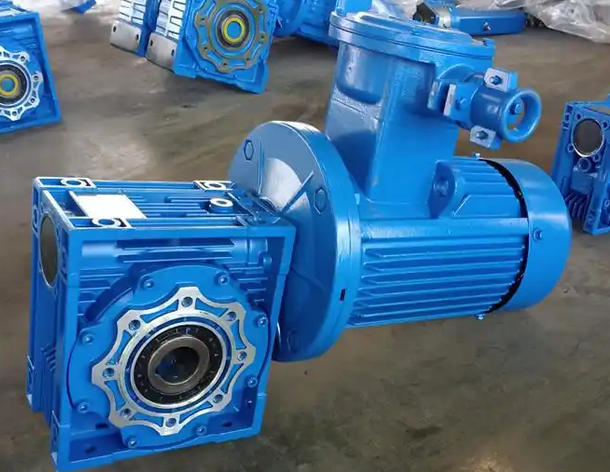
Step 3: Emergency repair for minor malfunctions. Minor oil leakage: tighten screws, temporarily replace seals, and add standard lubricating oil; Slight abnormal noise and vibration: Clean surface debris, tighten installation screws, check oil condition, quickly repair and conduct no-load trial operation. If there are no abnormalities, production can be resumed.
Step 4: Emergency stop loss for serious malfunctions. If there is any lag, jamming, severe metal noise, or sudden high temperature, immediately lock the equipment, report for maintenance, and prohibit repeated attempts to turn on the machine. Simultaneously adjusting production schedules, switching to backup equipment, minimizing production capacity losses, and avoiding high maintenance costs caused by worsening malfunctions.
Step 5: Fault Review and Prevention. After the fault is repaired, record the cause of the fault, repair plan, and carry out targeted follow-up maintenance, supplement lubricating oil, tighten accessories, clean up equipment hazards, and avoid similar faults from happening again.
Standardized emergency response procedures can minimize the impact of faults, reduce downtime and production losses, and are essential practical skills for textile equipment maintenance personnel.