High energy consumption reducer replaced with energy-saving model, saving the whole machine procurement cost in six months
The statement that replacing high-energy consumption reducers with energy-saving models can save the entire machine procurement cost in six months is possible in practical industrial applications. This is mainly due to significant electricity cost savings, reduced maintenance costs, and policy subsidies in some regions brought about by new energy-saving technologies.
The following is the specific implementation path and practical case support:
1. "Core replacement" transformation of permanent magnet direct drive technology
Eliminating the traditional complex transmission chain of "motor+reducer" and adopting permanent magnet direct drive motor to directly drive the load can significantly reduce energy loss. After the transformation of cooling tower fans, ball mills, belt conveyors and other equipment, the energy-saving rate of this technology can generally reach 20% -50%. For example, Xiangshan Cement completed three permanent magnet direct drive energy-saving renovations in just 6 days, saving nearly 180000 yuan in electricity bills annually, and the shortest investment payback period was only 12 months (i.e. one year to recoup costs).
2. Upgrading old equipment gearboxes and bearings
Targeted technological transformation of old textile machines or traditional reducers can also bring considerable benefits. Referring to similar cases, after the textile factory adopts a new type of reducer, direct energy consumption can be reduced by 29.8%, and unplanned downtime rate can be reduced by 23%. It is expected that the annual maintenance cost will be reduced by 20% -30%. In addition, using silicon nitride ceramic bearings instead of steel bearings can reduce the friction coefficient by half, triple the lifespan, and save up to 30% of electricity consumption; Replacing the planetary gearbox with a helical gear structure can also increase energy efficiency by 15%.
3. Reversal of Life Cycle Cost (LCC)
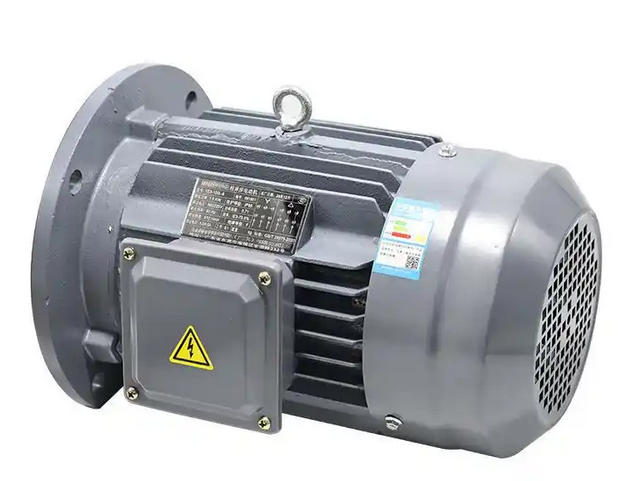
When evaluating equipment, it is not enough to only look at the purchase price, as electricity expenses during operation often account for over 90% of the total lifecycle cost. Taking a 160kW sugar specific composite reducer with an annual operation of 4000 hours as an example, the full life cycle cost of the high-efficiency and energy-saving composite technology route is about 430000 yuan lower than the traditional imported route. Its core advantage is that the energy consumption cost is reduced by 30% -40%, and the maintenance cost is reduced by about 20%.
4. Overlay the dividends of environmental protection and energy conservation policies
In addition to direct electricity and maintenance cost savings, companies can also use policies to further shorten the payback period. Energy saving renovation that conforms to the trend of green development can not only apply for local energy-saving renovation subsidies to reduce investment pressure in the early stage, but also enjoy tax refund benefits in some areas.
In summary, by introducing high-efficiency energy-saving solutions such as permanent magnet direct drive, optimizing gear and bearing structures, and cooperating with policy subsidies, enterprises have the full opportunity to recover the procurement cost of energy-saving equipment in a very short period of time (such as six months to one year) and continue to obtain net profits thereafter.