How to adjust the torque threshold of overload protection device for BWD series cycloidal pinwheel reducer
1、 Adjustment steps for mechanical overload protection (friction torque limiter)
1. Confirm benchmark parameters: First, check the rated output torque of the corresponding model of BWD, and based on this, calculate the target threshold. Typically, take 1.5 to 1.8 times the rated torque.
2. Disassemble the protective end cover: Remove the dust-proof end cover on the outside of the protective device to expose the locking nut, pressure regulating spring, and friction plate assembly inside.
3. Adjust the pre tightening force of the spring: Rotate the locking nut clockwise to compress the spring, increase the spring force, increase the friction between the friction plates, and increase the torque threshold accordingly; Rotate counterclockwise to lower the threshold.
4. Marking positioning scale: Align the adjusted nut with the shaft end position to avoid loosening and displacement during operation.
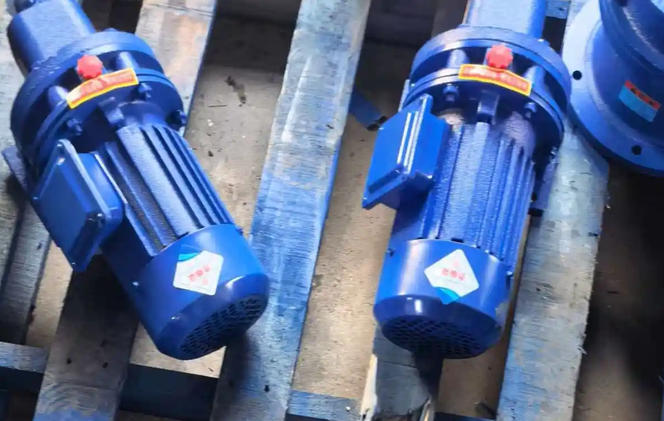
5. Loading verification calibration: Gradually load under rated operating conditions and confirm that the protective device can slip and disengage normally when the set torque is reached, without any premature or delayed triggering.
2、 Adjustment steps for electrical overload protection (motor current type)
1. Check the rated current of the motor: match the nameplate rated current value of the BWD matching motor as the setting reference.
2. Set protection threshold: Adjust the current setting value of the protector to 1.1-1.2 times the rated current of the motor, corresponding to the target torque threshold at the output end of the gearbox.
3. Configure trigger logic: Set the overload delay action time to 0.5~2s to avoid peak current at the moment of startup and avoid false triggering.
4. Simulated overload test: Apply simulated overload current to verify that the protector can reliably cut off the motor power supply within the set time and complete the protection action.
3、 Key precautions
Do not set the threshold to more than twice the rated torque of the gearbox, otherwise it will completely lose its overload protection function and directly damage the core components of the cycloidal gear and needle gear housing.
Before adjustment, the main power supply of the equipment must be cut off, and a tag must be hung and locked to perform power-off operations to prevent safety accidents caused by accidental start-up.
After obvious wear of the friction plate, it should be replaced in a timely manner to avoid significant deviation of the actual protection threshold from the set value due to the attenuation of friction force.